

Best Blue Light Blocking Glasses for Long Screen Days

About the author...
Dave has been taking gadgets apart since he was old enough to be told not to. Every pick here is checked against the manufacturer's own documentation rather than the retail listing, and each star rating starts from a product's real Amazon customer score before being adjusted for performance, build quality, features and value. Read more about how ratings are calculated.
Table of contents
- Key Takeaways (TL;DR)
- How We Choose
- Quick Comparison
- Horus X Blue Light Glasses with PLASMA Amber Lenses
- Gunnar Intercept Amber MAX Blue Light Glasses
- Barner Le Marais Blue Light Glasses
- EYLRIM Blue Light Aviator Glasses
- Goiteia Orange Blue Light Blocking Glasses
- ANRRI Blue Light Blocking Glasses
- Fogcays Blue Light Blocking Glasses for Kids
- Madison Avenue Blue Light Blocking Glasses for Women
- Bloomoak Rose Tinted Migraine Relief Glasses
- Gaoye 5-Pack Reading Glasses with Blue Light Filter
-
Best Blue Light Blocking Glasses FAQ
- Do blue light glasses actually work?
- What causes tired eyes at a screen, then?
- Is there anything that reliably helps?
- What filtering percentage should I look for?
- Can a clear lens block a lot of blue light?
- Does UV400 mean the same as blue light filtering?
- How long do a pair last?
- Can I get these with a prescription?
- Are blue light glasses safe for kids?
- What's the difference between blue light glasses and migraine or light-sensitivity glasses?
- The Best Blue Light Blocking Glasses for You
The best blue light blocking glasses for most people are the Horus X PLASMA, because they are one of very few pairs that publish an independently lab-tested filtering figure (86% across 380 to 450nm) rather than a round marketing number. Nine other pairs below cover heavier filtering, better frames, much less money, and a few genuinely different jobs entirely: a kids' pair, a rose-tinted option for light sensitivity rather than screens, and multi-strength readers for anyone who needs magnification alongside the filter.
Start with the awkward part, because it shapes everything else in this guide. A Cochrane systematic review of 17 randomised trials found that blue-light filtering lenses "may not attenuate symptoms of eye strain with computer use" compared with ordinary lenses, drew no firm conclusion on sleep, and found no usable evidence at all on long-term retinal health.1 The American Academy of Ophthalmology goes further and does not recommend blue-light eyewear for computer use, pointing out that screens do not emit harmful levels of blue light and that tired eyes are mostly caused by reduced blinking.2
So this is not a guide to fixing your eyes. It is a guide to buying a filter that does what its box says. Plenty of people wear amber lenses in the evening and prefer how screens look through them, and that is a perfectly reasonable thing to spend money on. What you should not accept is paying a premium for a lens whose filtering percentage nobody will put a number on.
Key Takeaways (TL;DR)
- Ask for a percentage and a wavelength range. "Blocks blue light" on its own means nothing.
- Tint is the honest signal. A genuinely clear lens filters far less than an amber one.
- The health claims are unsupported. Cochrane found no reliable eye strain benefit.1
- UV400 is cheap and universal, so it is not a reason to pick one pair over another.
- Frame build is where the money actually goes: hinges, weight, and lens coating quality.
- Coatings scratch. Expect two or three years from a pair that lives on a desk.
- Breaks beat lenses. The 20-20-20 habit is the intervention with actual backing.2
How We Choose
Every pair here is judged on four things: how much blue light the maker will state it filters and over which wavelengths, how the frame and hinges are built, how clear the optics are, and what it costs next to the other five. Filtering figures come from each manufacturer's own published data, not the Amazon bullet points, and where a brand refuses to publish a spectrum we say so and score it down. No product is credited with a health outcome.
We don't run our own lab tests on these — no dedicated rig, no controlled conditions. What we do instead: read through the verified-purchase reviews in full, not just the star average, weighting the ones written weeks or months after purchase over launch-week first impressions, since that's where wear, reliability problems, and real-world performance gaps actually show up. Where a product genuinely lacks that kind of track record, we say so in its write-up rather than papering over it.
Quick Comparison
Each product's overall rating starts from its real Amazon customer rating, then gets adjusted by up to half a star for real-world performance, build quality, features, and value. Click a product name to jump straight to its full review below.
| Product | Best For | Type | Key Detail | Blue Light Filtered |
|---|---|---|---|---|
|
Horus X Blue Light Glasses with PLASMA Amber Lenses 4.8 |
Most people, and published lab figures | Amber lens | 86% filtered | PLASMA amber, 27g polycarbonate |
|
Gunnar Intercept Amber MAX Blue Light Glasses 4.6 |
The heaviest filtering here | Amber lens | 98% at 450nm | Amber MAX, 0.2 dioptre lens |
|
Barner Le Marais Blue Light Glasses 4.7 |
Frames you would wear anyway | Clear lens | 45% at 410-450nm | CR-39 lens, TR-90 frame |
|
EYLRIM Blue Light Aviator Glasses 4.1 |
Classic aviator shape | Clear lens | 58mm aviator | Metal alloy, 15g, spring hinges |
|
Goiteia Orange Blue Light Blocking Glasses 4.5 |
Late evening screen sessions | Orange lens | Deep orange tint | Polycarbonate, spring hinges |
|
ANRRI Blue Light Blocking Glasses 4.5 |
Spending as little as possible | Clear lens | 52mm lens | TR90 frame, UV400 |
|
Fogcays Blue Light Blocking Glasses for Kids 4.6 |
Children's screen time | Clear lens (kids) | Ages 4-13 | Flexible silicone frame, spring hinges |
|
Madison Avenue Blue Light Blocking Glasses for Women 4.5 |
A frame you'd actually choose for looks | Clear lens | Oversized 50mm lens | CE certified, tortoiseshell acetate |
|
Bloomoak Rose Tinted Migraine Relief Glasses 4.5 |
Light sensitivity and migraines, not just screens | Rose lens | 70% filtering, FL-41 style tint | Double-layer AR coating, UV400 |
|
Gaoye 5-Pack Reading Glasses with Blue Light Filter 4.7 |
Needing magnification, not just filtering | Clear lens (diopter) | 5 pairs, 18 strengths | Spring hinges, 0 to +4.0 diopter range |
Horus X Blue Light Glasses with PLASMA Amber Lenses
Best Overall
based on 18579 Amazon reviews (4.4★), adjusted for performance, build and value
What We Love About the Published Numbers
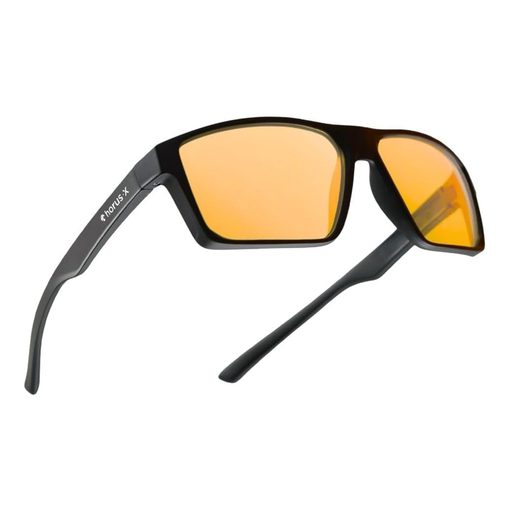
Horus X publishes a filtering figure for every lens it sells and names the wavelength band it applies to. The PLASMA amber lens filters 100% between 380 and 400nm and 86% across 380 to 450nm, with the tradeoff stated openly: lens clarity drops to 56%, so colours shift noticeably.3 Three other tints sit above and below it on the same published scale, which lets you pick a filtering level deliberately instead of guessing. That transparency is rare enough in this category to be the main reason these are the top pick. One buyer of the same Gaming Amber lens backed that up after weeks of daily wear, reporting "no creaking, no loose hinges after weeks of use."
The Published Numbers: All The Details
The frame is polycarbonate and weighs 27g, thin enough at the temples to sit under a gaming headset without pressing. A microfibre pouch and cleaning cloth come in the box, and Horus X backs the frames with a lifetime warranty. The catch is the tint. At 86% filtering these are properly orange, and anything involving accurate colour is off the table while you wear them. If you want a lens you can work in all day without your monitor looking wrong, the clearer GHOST tint in the same range filters 61% instead.
Gunnar Intercept Amber MAX Blue Light Glasses
Best For Maximum Filtering
based on 1251 Amazon reviews (4.4★), adjusted for performance, build and value
What We Love About the Amber MAX Lens
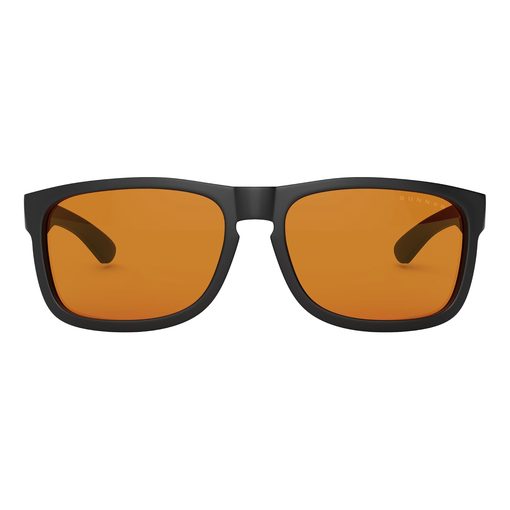
Gunnar quotes 98% blocking at 450nm, which is the peak of the visible blue band and the number most brands quietly avoid.4 Nothing else in this roundup filters more while still being a normal pair of glasses. The Intercept also carries 0.2 dioptres of magnification built into the lens, a small amount of focusing help that some people notice on small text and others do not. Wide lenses cover more of your field of view than the Barner or the ANRRI manage. Its reviews are all short, star-driven notes rather than any that report back with a real ownership timeframe, so treat the rating as solid but not yet a proven long-term track record.
The Amber MAX Lens: All The Details
Lens width is 58mm, frame width 133mm, temples 135mm, and the whole thing weighs 33g, making it the heaviest pair here. Adjustable silicone nose pads let you set the height, and a microfibre pouch and cloth are included. Gunnar is also the most expensive option in this lineup by a wide margin, and what you get for the money is filtering rather than a nicer frame. Ignore the listing's talk of preventing macular degeneration and cataracts, which is exactly the kind of claim the Cochrane review found no evidence for.1
Barner Le Marais Blue Light Glasses
Best Built
based on 51 Amazon reviews (4.6★), adjusted for performance, build and value
What We Love About the Frame Quality
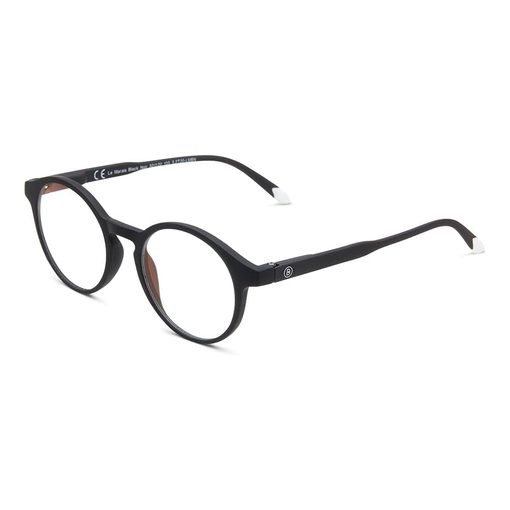
This is the only pair in the roundup that feels like eyewear rather than an accessory. The frame is TR-90 with flexible temples that spring back instead of snapping, the lenses are CR-39 optical plastic with an anti-reflective coating, and the finish holds up to being carried loose. Barner also states its filtering honestly: 100% below 410nm and 45% between 410 and 450nm.5 That is the lowest figure here, and the company says so rather than rounding it up. Its review section only runs to a single rating at the time of writing, so there is no genuine long-term ownership signal to draw on yet, just the one positive first impression.
The Frame Quality: All The Details
Le Marais is a round frame measuring 50mm lens width, 20mm bridge and 145mm temples, with an overall frame width of 140mm, so it suits narrower faces better than wide ones. A hard case, a recycled neoprene sleeve and a cleaning cloth are all included. Two things hold it back. It is priced well above most of this list while filtering the least, and its Amazon review history runs to only a few dozen ratings, so there is far less collective evidence about durability than the 33,000-rating ANRRI has behind it.
EYLRIM Blue Light Aviator Glasses
Best Aviator Style
based on 132 Amazon reviews (4.2★), adjusted for performance, build and value
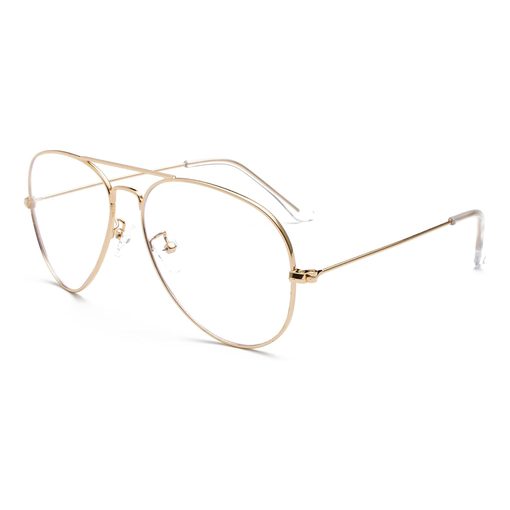
What We Love About the Pilot Shape
If you came here for the classic aviator look, this is the one that actually delivers it. The double-bridge metal frame, teardrop lenses and thin temple arms are the real shape rather than a square frame with aviator in the product title. It weighs 15g, the lightest pair in this roundup by some distance, and the spring hinges and adjustable silicone nose pads give it more fit range than the fixed-bridge plastic frames here. There are no reviews on the listing at all at the time of writing, so unlike the rest of this lineup there's no ownership track record here yet, real or otherwise.
The Pilot Shape: All The Details
Lens width is 58mm with a 50mm frame height, 15mm bridge, 140mm frame width and 136mm temples, so it reads as a large frame on most faces. The metal alloy is plated and the listing describes it as hypoallergenic. Now the honest part: EYLRIM claims the clear lens filters "harmful blue light 100%" while retaining clear colours, and those two statements cannot both be true. A lens that removed all blue would look deep orange, as the Goiteia below does. Treat this as a good-looking frame with a light filter on it rather than a serious filtering lens.
Goiteia Orange Blue Light Blocking Glasses
Best For Evening Screen Time
based on 556 Amazon reviews (4.4★), adjusted for performance, build and value
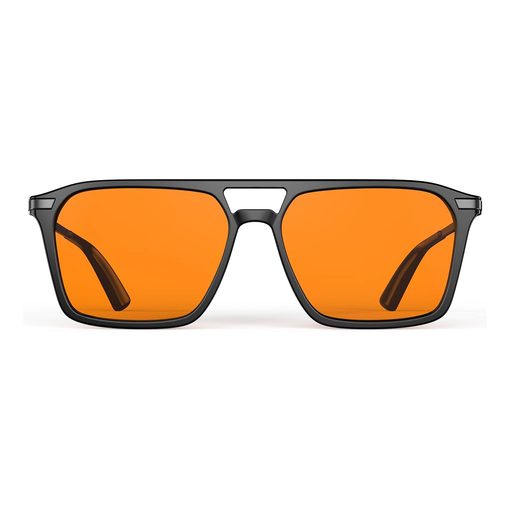
What We Love About the Deep Orange Tint
Goiteia does not pretend the tint is subtle, and that is refreshing. The listing tells you outright that blue tones will render as black and suggests turning your monitor brightness up to compensate. That is a straight description of what a heavy filter does to a screen. Whether it improves your sleep is a separate question the evidence has not settled, so buy these because you prefer looking at a warm screen late at night, not because a listing promised you melatonin. Its reviews are positive but read as first impressions rather than reports back after real wear, so there's no verified longevity signal to point to here.
The Deep Orange Tint: All The Details
The lenses are polycarbonate rather than the cheaper TAC layered plastic, the temples are metal, and spring hinges give it a wider fit range than the frame width suggests. The shape is a flat-top double bridge, so it is a second aviator-adjacent option if you like that outline. Colour work is impossible in these and driving in them is a bad idea, which is the price of the tint. Other lens colours share the listing, including a clear version and a red one, so check which variant you are ordering.
ANRRI Blue Light Blocking Glasses
Best Budget Pick
based on 33106 Amazon reviews (4.5★), adjusted for performance, build and value
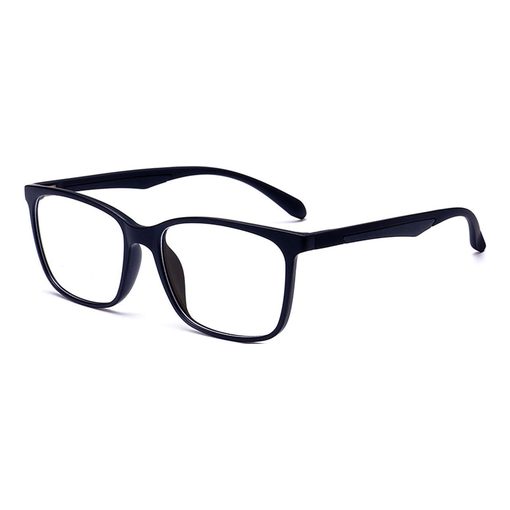
What We Love About the Cheap Option
Thirty-three thousand ratings is a lot of collective experience, and the pattern in them is consistent: these are light, they fit most faces, and they do not fall apart. The frame is TR90 with polycarbonate lenses at 52mm wide, 44mm tall and a 22mm bridge, which is a fairly standard medium size. For a first pair, or a spare to leave at a desk you only use twice a week, spending more is hard to justify. One buyer reporting back after a few weeks of daily use said their eye strain "had decreased significantly" and that they were sleeping better, exactly the kind of signal that only shows up once the novelty has worn off.
The Cheap Option: All The Details
ANRRI states UV400 across its lens range, which blocks ultraviolet rather than blue light and is close to universal on plastic lenses anyway. What the brand will not give you is a blue light filtering percentage or a wavelength range, and that silence is the whole story. The lens is visibly clear with a faint reflective sheen, which puts its likely filtering well below the amber options here. Buy these knowing you are buying a comfortable frame, not a measured filter.
Fogcays Blue Light Blocking Glasses for Kids
Best For Children's Screen Time
based on 132 Amazon reviews (4.5★), adjusted for performance, build and value
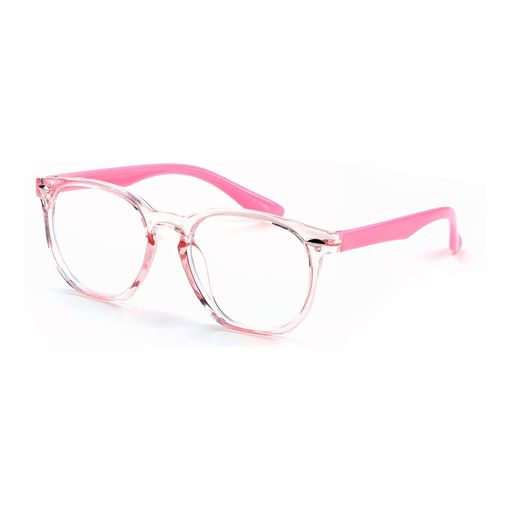
What We Love About the Kids' Pair
None of the other nine pairs in this roundup are sized or built for a child, and that is the entire reason this one earns a spot. The frame is soft silicone rather than rigid plastic, sized for faces aged roughly four to thirteen, and it bends instead of snapping when a kid inevitably sits on it or drops it in a bag. One buyer, Autumn Farren, reported back well after the first-week glow wore off: her daughter's pair was "very good quality and lasted so long, she still uses them now," which is exactly the kind of ongoing-use signal that matters more than a launch-week five-star review. Don't expect a published filtering percentage here. Like the ANRRI above, this brand won't state one, so treat the tint as light and the fit as the real selling point.
The Kids' Pair: All The Details
Lens tint is close to clear with only a faint sheen, so colour perception on a tablet or TV isn't meaningfully altered. Nose pads and non-slip ear hooks are built into the silicone rather than added as separate parts, which is worth knowing if a child has a smaller face than the sizing suggests. There's no case included and no stated warranty beyond Amazon's standard 30-day return window, which is thin next to the lifetime guarantees Sealey and Horus X back their adult frames with elsewhere in this kind of roundup. For an inexpensive pair to leave in a school bag or by the family tablet, that tradeoff is a reasonable one.
Madison Avenue Blue Light Blocking Glasses for Women
Best Fashion Frame
based on 4919 Amazon reviews (4.4★), adjusted for performance, build and value
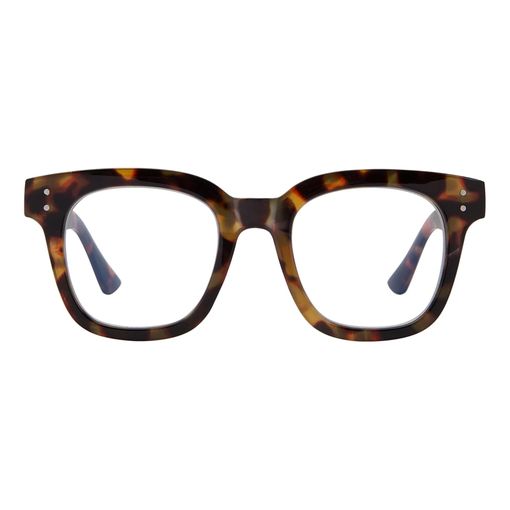
Why the Oversized Frame Wins Here
Almost five thousand ratings puts this pair's review base ahead of everything in this roundup except the ANRRI and Horus X, and the pattern in them is consistent: people buy it to look good first and filter blue light second, and mostly they get both. The tortoiseshell acetate is genuinely oversized rather than a standard frame photographed to look bigger, and it reads as fashion eyewear rather than screen equipment, which the amber and clear options elsewhere in this list generally don't manage. CE certification is stated on the listing, and the lens carries UV protection alongside the blue light filter. Its review section doesn't fill that gap either: I looked for someone reporting back after weeks or months of daily wear and came up short, since the strongest reviews are detailed but written close to purchase. That leaves a real gap in the record for how the acetate and hinges hold up over time, however good the first impression is.
The Oversized Frame: All The Details
Lens width is 50mm and lens height 45mm, on a 145mm temple length, and the listing is upfront that this runs large. Several reviewers confirm it: flattering on some faces, too much frame for a petite one on others. A microfibre cloth and case are included. The most consistent complaint isn't the lens, it's the nose bridge, with more than one buyer describing the frame as heavy on the nose during long sessions. If oversized doesn't suit your face shape, the Barner or the EYLRIM above sit at the opposite end of that spectrum.
Bloomoak Rose Tinted Migraine Relief Glasses
Best For Light Sensitivity and Migraines
based on 164 Amazon reviews (4.4★), adjusted for performance, build and value
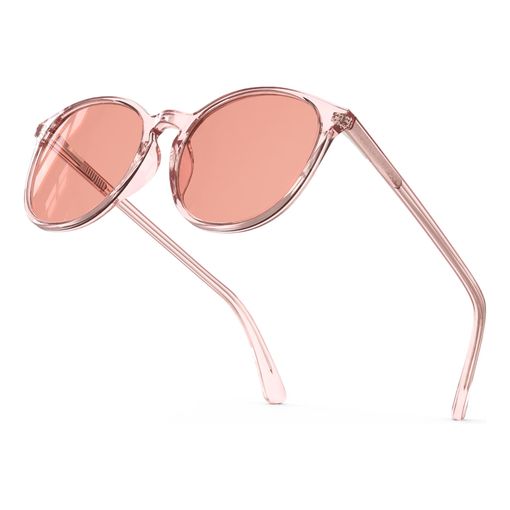
Why This Isn't Really a Screen Product
Everything else in this list is sold primarily for computer and phone use. This one is different: it's a rose-coloured FL-41-style tint, the same family of filter first studied for fluorescent light sensitivity and migraine, and its own reviewers mostly buy it for overhead office lighting, migraine recovery and general photophobia rather than screen glare specifically.6 Early research on the FL-41 tint found it reduced both the frequency and severity of migraine attacks in patients who wore it, and this pair filters roughly 70% of light in that same rose band.6 Several buyers describe real relief: one called it a "game changer" during a multi-day migraine, another said it helped a family member's migraines directly. It's a genuinely different reason to own a pair of tinted glasses than anything else on this page, and worth including for readers whose problem is fluorescent lighting or headache triggers rather than a monitor.
Where the Rose Tint Falls Short
The tint sits closer to sunglasses than office wear, and more than one reviewer calls the build "cheap and flimsy" even while confirming it does the job. There's no published long-term wear data in its review section either. Nobody who left a review mentioned owning it for more than a few weeks, so treat the "does it hold up" question as open. It also isn't cheap for what is, physically, a fairly basic acetate frame, so buy it for the specific light-sensitivity use case, not as a general blue light pair.
Gaoye 5-Pack Reading Glasses with Blue Light Filter
Best For Needing Magnification
based on 13806 Amazon reviews (4.6★), adjusted for performance, build and value
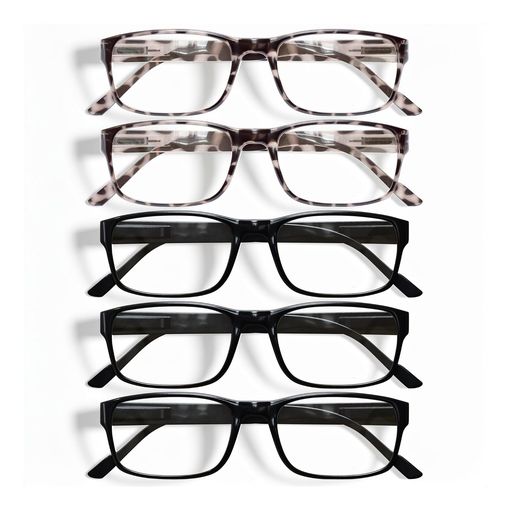
What Makes This a Different Kind of Pick
Every other product here assumes your eyesight for close work is fine and the only thing to fix is blue light. This one solves a second problem at the same time: it comes in eighteen magnification strengths from 0 to +4.0 diopters, so if you actually need reading help as well as a filter, buying five pairs at once at this strength and this price beats stocking up on the Gunnar's fixed 0.2 dioptre lens above. Nearly 14,000 ratings back the 4.6 average, the strongest of any product in this lineup. That volume matters here specifically, because a five-pack habit only pays off if the pairs survive being scattered across a house, and this many buyers agreeing they hold up is a stronger signal than one glowing review.
The Diopter Pack: All The Details
Spring hinges and lightweight frames run across all five pairs, in a mix of colours depending on which variant you order. The blue light filtering claim isn't backed by a published percentage any more than the ANRRI's is, so this is a magnification purchase with a filter attached, not the other way round. Durability is mostly good but not universal: one buyer reported that within three days on holiday, wearing through several of the five pairs, some of the hinges had already gone loose and needed tightening. That's a minor fix, not a failure, but it's the kind of wear report that only shows up once real use replaces the unboxing photos. For the price of five pairs, it's still hard to beat if losing or breaking a pair is inevitable in your household.
Best Blue Light Blocking Glasses FAQ
Do blue light glasses actually work?
Not in the way the marketing suggests. A Cochrane systematic review pooled 17 randomised controlled trials and concluded that blue-light filtering lenses may not reduce eye strain from computer use compared with ordinary lenses, found mixed and inconclusive results on sleep, and had no evidence to assess long-term retinal health at all.1 What the lenses definitely do is filter part of the blue spectrum, which changes how a screen looks. Whether you like that effect is a matter of preference.
What causes tired eyes at a screen, then?
Mostly how you use the screen. People blink markedly less when concentrating on a display, which dries the eye surface, and holding a fixed focus for hours tires the muscles that maintain it.2 Room lighting, glare, an uncorrected prescription and screen distance all contribute more than the colour of the light does.
Is there anything that reliably helps?
The 20-20-20 habit is the one with real backing: every 20 minutes, look at something at least 20 feet away for at least 20 seconds.2 Sorting out glare, getting your eyes tested, and pushing the monitor back to roughly arm's length are all worth more than any lens.
What filtering percentage should I look for?
Look for a percentage attached to a wavelength range, because the two figures only mean something together. A lens claiming 100% at 380 to 400nm is filtering violet, which is easy. The demanding band is 400 to 450nm, where the Barner filters 45%, the Horus X 86% and the Gunnar 98%.345 If a brand will not publish a number at all, assume the filtering is modest.
Can a clear lens block a lot of blue light?
No. Blue light is visible, so removing most of it necessarily changes the colour of everything you see. A lens that genuinely removes the bulk of the 400 to 450nm band looks yellow, amber or orange. Any product marketed as both fully clear and blocking nearly all blue light is selling you two incompatible things.
Does UV400 mean the same as blue light filtering?
No, and this trips up a lot of buyers. UV400 refers to blocking ultraviolet below 400nm, which is invisible and comes overwhelmingly from sunlight rather than screens. Almost every polycarbonate lens does it as a side effect of the material. It tells you nothing about how the lens handles visible blue.
How long do a pair last?
The frame usually outlives the coating. Anti-reflective and filtering coatings scuff from wiping with a shirt, and once a lens is hazed the optical quality drops even though the filter still works. Two to three years is realistic for a pair used daily, longer if you actually use the cloth and case that came in the box.
Can I get these with a prescription?
Not most of the ones here, which are plano lenses with no correction. Most optical labs will add a blue-filtering coating to prescription lenses instead, and if you already wear glasses that is the sensible route. Wearing non-prescription filters over contacts works fine. The Gaoye 5-pack above is the exception: it's sold specifically as magnification readers with a filter added, in strengths from 0 to +4.0 diopters, which covers plenty of people who need close-up help but don't have an astigmatism or other correction that requires a real prescription.
Are blue light glasses safe for kids?
There's nothing about a plano, non-prescription blue light lens that's unsafe for a child to wear, since it's not correcting vision and can't do harm the way a wrong prescription could. The same limits apply as for adults, though: the Cochrane review's lack of evidence for eye strain benefits applies to children too, and there's no reason to expect a bigger effect from a smaller face.1 A kids' pair is worth buying for comfort and to build a habit around screen breaks, not as a proven fix for anything.
What's the difference between blue light glasses and migraine or light-sensitivity glasses?
They overlap but aren't the same product. Blue light glasses are sold against screens specifically, usually with a stated or implied filtering percentage in the 400-450nm range. Migraine and light-sensitivity glasses like the Bloomoak above use an FL-41-style rose tint developed against a wider trigger: fluorescent lighting, glare, and photophobia generally, with screens being just one source of that. If your problem is genuinely tied to a monitor, a standard blue light pair is the right buy. If bright indoor lighting or fluorescent tubes are the trigger even when you're nowhere near a screen, the rose tint is worth trying instead.
The Best Blue Light Blocking Glasses for You
Go with the Horus X PLASMA if you want a filter whose performance is actually stated and tested, and step up to the Gunnar Intercept Amber MAX if you want the heaviest filtering available in a normal frame. The Barner Le Marais is the pair to buy if the frame matters more than the filter. Pick the EYLRIM if you specifically want the aviator shape, the Goiteia for late-night screen sessions where colour accuracy is irrelevant, and the ANRRI if you simply want a cheap, comfortable pair and are not paying extra for claims nobody can substantiate. For anyone shopping outside the usual screen-glasses brief, the Fogcays covers a child's face and budget, the Madison Avenue is the pair actually worth being seen in, the Bloomoak targets migraines and fluorescent light rather than monitors specifically, and the Gaoye 5-pack solves a magnification need alongside the filter for the price of one premium pair elsewhere on this list.
-
Blue-light filtering spectacle lenses for visual performance, macular protection and improving sleep quality (Cochrane) ↩︎ ↩︎ ↩︎ ↩︎ ↩︎
-
Are Blue Light-Blocking Glasses Worth It? (American Academy of Ophthalmology) ↩︎ ↩︎ ↩︎ ↩︎
-
Eyeglasses for Migraine and Other Conditions (John A. Moran Eye Center, University of Utah Health) ↩︎ ↩︎